
Why does my espresso taste bitter? It’s a frustrating question, because the fix can be almost anything: the grind, the recipe, the beans or the machine itself. The good news is that most bitter shots come down to one thing, over-extraction, and you can usually find the cause by checking a few things in order.
Quick answer: how to fix bitter espresso
- 1. Grind coarser so the shot runs faster.
- 2. Stop the shot earlier (a shorter ratio, for example 1:2 instead of 1:2.5).
- 3. Check your dose. Too little coffee can make the shot run very differently.
- 4. Clean the group head, shower screen and portafilter.
- 5. Try a lighter or fresher roast if your coffee is very dark.
Change one thing at a time and taste after each change.
Table of contents
First, is it bitter or sour?
People often confuse the two, and the fixes are opposite:
| Taste | Usually means | Fix direction |
|---|---|---|
| Bitter, harsh, dry, lingering | Over-extracted | Extract less: grind coarser, shorter ratio |
| Sour, sharp, thin, salty | Under-extracted | Extract more: grind finer, longer ratio |
| Both sour and bitter at once | Uneven extraction (channeling) | Improve puck prep |
A useful tell: bitterness tends to linger and dry out your mouth, while sourness hits the front of your tongue right away.
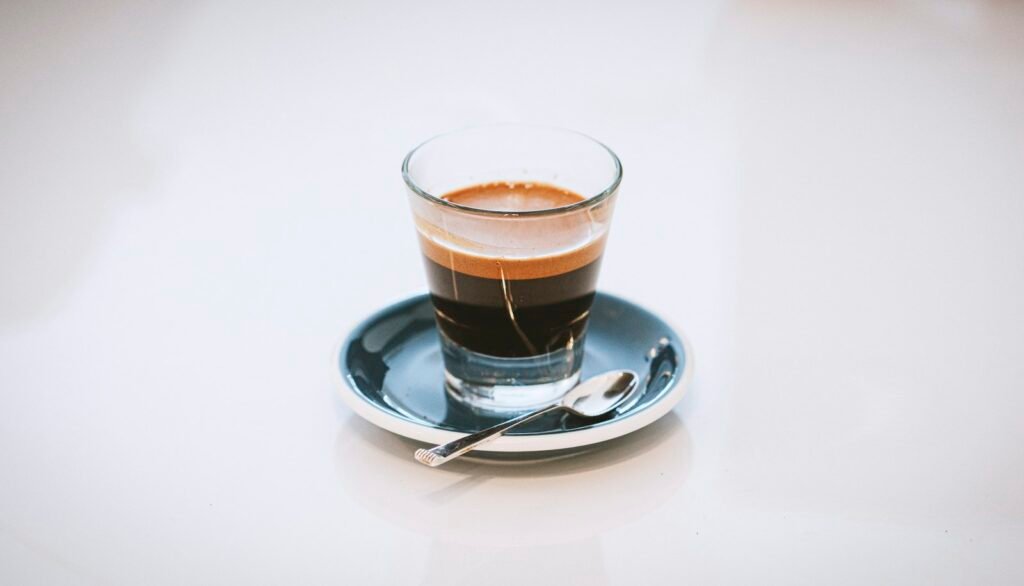
Why does espresso taste bitter? 7 causes and fixes
1. Your grind is too fine
Very fine grounds slow the water down and extract more from the coffee, including the harsh compounds. If your shot runs slowly and tastes bitter, this is the most likely cause.
Fix: grind a little coarser and pull another shot with the same dose and yield. Small steps matter, which is where a grinder with fine adjustment helps. See our guide to the best hand grinders for espresso under $200.
2. You’re letting the shot run too long
The longer a shot runs, the more gets extracted. Past a point, the last part of the shot adds mostly bitterness and dilution.
Fix: stop earlier. If you’re pulling 18g into 45g, try 36g. Our guide to espresso brew ratios explains how ratio changes taste.
3. You’re not weighing your dose or yield
If you dose by eye and stop by volume, every shot is slightly different, and an occasional bitter shot is hard to explain.
Fix: weigh your dose and your yield. See how to use an espresso scale.
Free espresso gear updates
Get the next buying guide in your inbox
We’ll email you when a new guide or comparison goes live, so you can compare gear before you buy. No spam, and you can unsubscribe anytime.
4. The coffee is very dark
Dark roasts extract easily and have more roasty, bitter flavors to begin with. A recipe that works for a medium roast can taste harsh with a dark one.
Fix: use a shorter ratio (around 1:1.5 to 1:2), grind a touch coarser, or try a medium roast.
5. Your machine or portafilter is dirty
Old coffee oils build up on the shower screen, in the group head and in the portafilter. They can add stale, bitter flavors to every shot.
Fix: wipe the shower screen and rinse the portafilter after each session, and backflush or clean the machine as your manufacturer recommends. Clean the grinder burrs regularly too.
6. Water is channeling through the puck
When water finds a weak spot in the coffee bed, it rushes through that path and over-extracts it, while the rest stays under-extracted. The result can taste bitter and sour at the same time. A bottomless portafilter shows this as spurts or thin, fast streams.
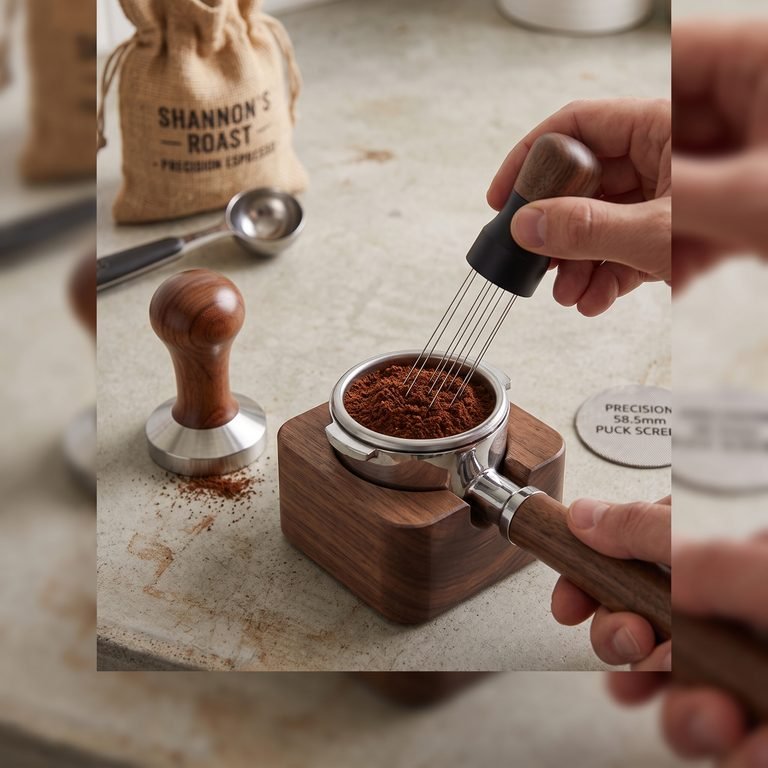
Fix: break up clumps with a WDT tool, distribute evenly and tamp level.
Cheapest fix for channeling
Normcore WDT Tool V2.1
A WDT tool stirs the grounds with thin needles to break up clumps before you tamp, so water flows more evenly.
Key specs (manufacturer figures)
- 8 needles, 0.23mm, magnetic stand included
What’s good
- Inexpensive and quick to use
- Works with any machine and basket
- Helps with both bitterness and sourness caused by channeling
Watch out for
- Adds a step to your routine
- Use with a dosing funnel to avoid mess
- Won’t fix a grind that’s simply too fine
7. The water is too hot
Hotter water extracts faster. Most home machines handle temperature for you, but some let you adjust it.
Fix: if your machine has a temperature setting, try lowering it a few degrees, especially for dark roasts.
The order to try fixes in
- Check whether it’s really bitter (not sour).
- Weigh your dose and yield.
- Grind coarser in small steps.
- Shorten the ratio.
- Clean the machine and portafilter.
- Improve puck prep with WDT and a level tamp.
- Try a different roast, or lower the temperature if you can.
Related guides
- Best WDT tool for espresso
- Best grinder for the Breville Bambino
- Espresso brew ratios explained
- How to use an espresso scale
- Best hand grinder for espresso under $200
- Best Bambino Plus accessories
Frequently asked questions
Does bitter espresso mean over-extraction?
Usually, yes. Bitterness most often comes from extracting too much, through a fine grind, a long shot or very hot water. Very dark roasts and dirty equipment can also add bitterness.
Should I grind finer or coarser if espresso is bitter?
Coarser. A coarser grind lets water flow faster and extract less. Make small changes and keep your dose and yield the same while you adjust.
Why is my espresso both bitter and sour?
That usually points to channeling: water rushes through part of the puck and over-extracts it, while the rest under-extracts. Better distribution and a level tamp usually help.
Can old coffee beans make espresso bitter?
Stale coffee usually tastes flat and dull rather than bitter, but it can make dialing in harder. Use coffee within a few weeks of its roast date where you can.
Sources
Specifications and prices were checked against these sources in October 2026. Manufacturer pages are the best place to confirm current details.